Germany isn’t always what you expect. Beyond fairy-tale castles and neat old towns, there’s another layer quietly waiting beneath your feet. It’s heavier, more complex, and strangely compelling.
Traveling here with curiosity rather than comfort changes everything. You start noticing the small plaques, the preserved ruins, the silence in certain places. Germany has chosen not to hide its past. Instead, it presents it carefully, almost like a conversation you’re invited into.
This darker side is not about shock value. It’s about understanding how history shaped the present. And if you’re willing to slow down and look closer, these places reveal stories that feel surprisingly human.
First Impressions: When History Feels Close
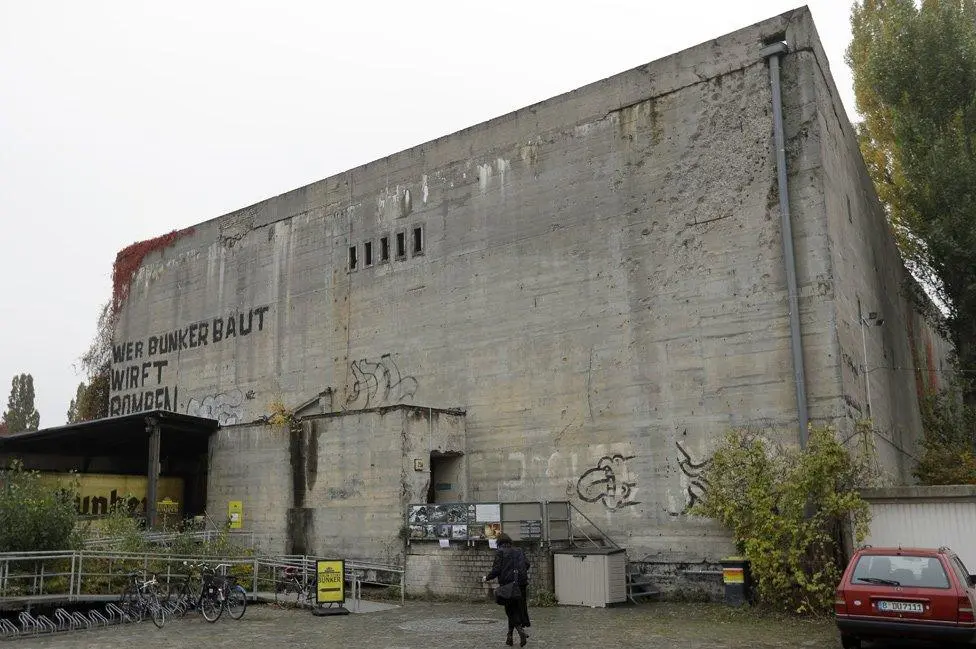
Arriving in cities like Berlin, you don’t have to search hard for traces of the past. They’re everywhere, woven into daily life.
There’s something unsettling about walking past ordinary apartment blocks and realizing what once stood there. Berlin, in particular, is often described as the global center of dark tourism because of how many historical sites are preserved across the city .
Even outside the capital, you’ll notice it. Old bunkers repurposed into museums, quiet memorials tucked into parks, and entire underground networks that once served very different purposes.
And then there are moments that feel almost surreal. Sitting in a modern café, you realize the ground beneath you might hide tunnels, shelters, or stories that were never meant to be seen again.
Beneath the Surface: Bunkers and Hidden Worlds
Germany’s underground spaces tell some of the most powerful stories. They’re cold, quiet, and oddly intimate.
In places like Berlin, guided tours take you through former air-raid shelters and tunnels that once protected civilians during bombing raids. Some even reconstruct spaces like the Führerbunker, where the war’s final chapter unfolded .
Further south, near Berchtesgaden, a network of tunnels lies beneath what was once a Nazi headquarters. Parts of these bunkers are still accessible, giving visitors a glimpse into how extensive and secretive these systems were .
Did you know? Some German bunkers were built so solidly that even post-war demolition efforts failed, leaving them standing as permanent reminders of the past.
Walking through these spaces, the scale of history becomes tangible. It’s no longer abstract. It feels immediate.
Encounters Beyond the Expected
Travel isn’t always about museums and monuments. Sometimes it’s about the unexpected intersections between past and present.
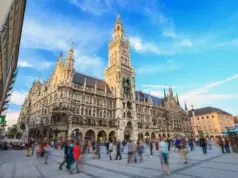
In cities like Munich, for instance, the contrast is striking. Elegant streets, lively nightlife, and layers of history all coexist in ways that feel almost contradictory. You might spend your day exploring somber historical sites, then step into a completely different rhythm by evening.
That duality is part of what makes Germany so fascinating. Experiences here aren’t one-dimensional. Whether you’re wandering through historical districts or encountering modern city life, even München escort service reflects how contemporary culture sits alongside a deeply complex past. It’s a reminder that cities evolve, but they never fully shed their history.
Places That Stay With You
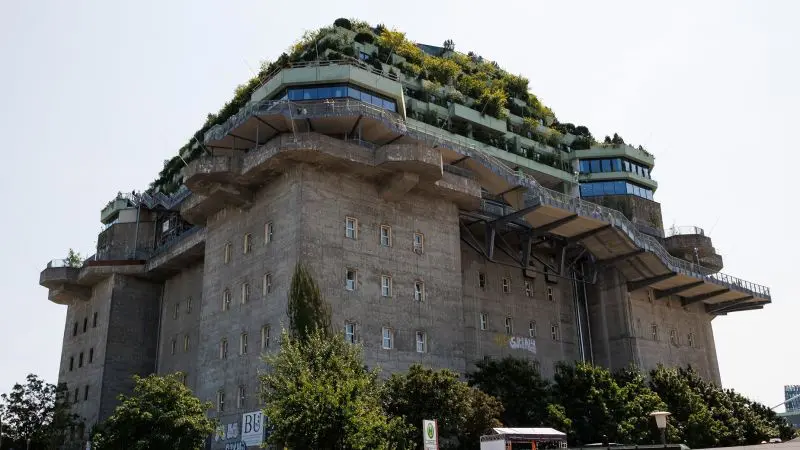
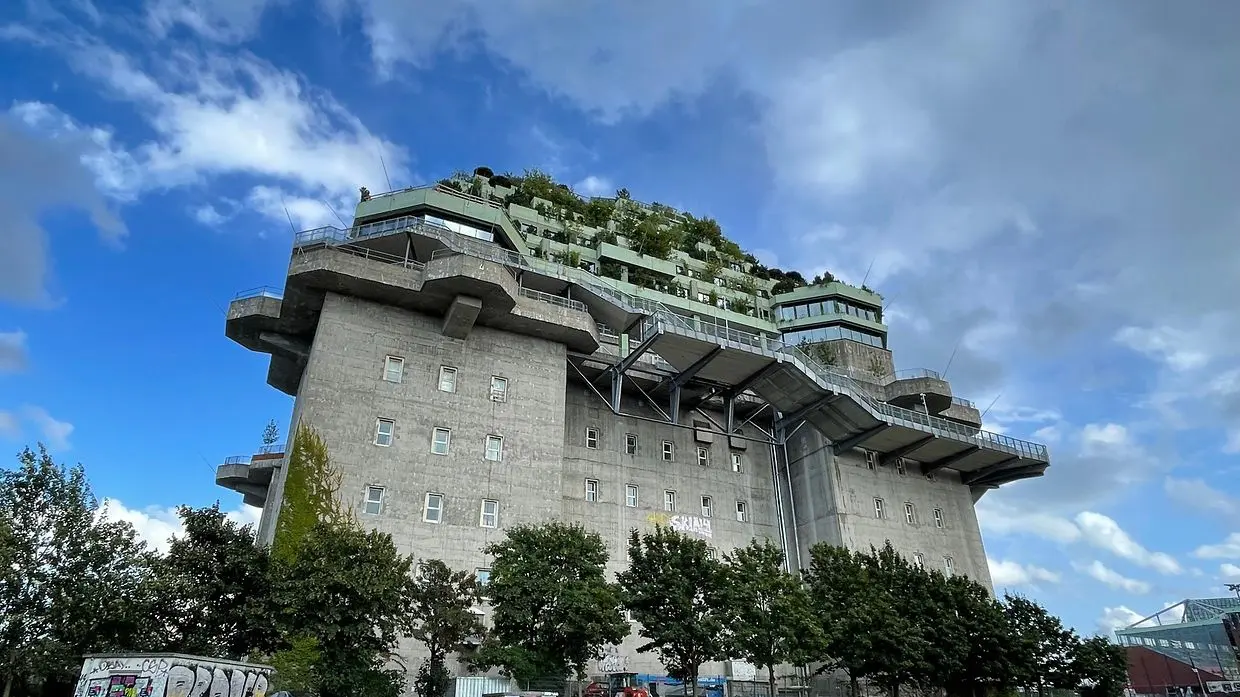
Take Hamburg’s massive flak towers, originally built for air defense using forced labor during World War II. Today, structures like the St. Pauli bunker have been transformed into memorial spaces, blending remembrance with modern use .
Or consider Bunker Valentin near Bremen, an enormous U-boat construction site that was never completed. Built under brutal conditions, it now stands as a stark memorial to both ambition and suffering .
Then there’s Nuremberg’s underground art bunker, where priceless cultural artifacts were hidden to protect them from air raids .
- Berlin’s underground shelters reveal civilian survival stories
- Obersalzberg tunnels show the scale of Nazi infrastructure
- Cold War bunkers highlight a different era of fear
Each place adds a new layer to the story.
A Closer Look at Germany’s Bunker Legacy
Germany’s bunker network spans different eras, each with its own purpose and atmosphere.
| Location | Era | Purpose | Current Use |
| Berlin shelters | WWII | Civilian protection | Tours and museums |
| Obersalzberg bunkers | WWII | Military command | Historical site |
| Government Bunker (Ahr Valley) | Cold War | Emergency government base | Museum |
The Government Bunker near Bonn, for example, was designed to house thousands of officials during a nuclear crisis and remain operational for weeks .
What makes these sites fascinating is not just their scale, but their intent. They were built out of fear, urgency, and sometimes desperation. Seeing them today, stripped of their original purpose, gives you a strange sense of perspective.
Traveling Through Difficult History
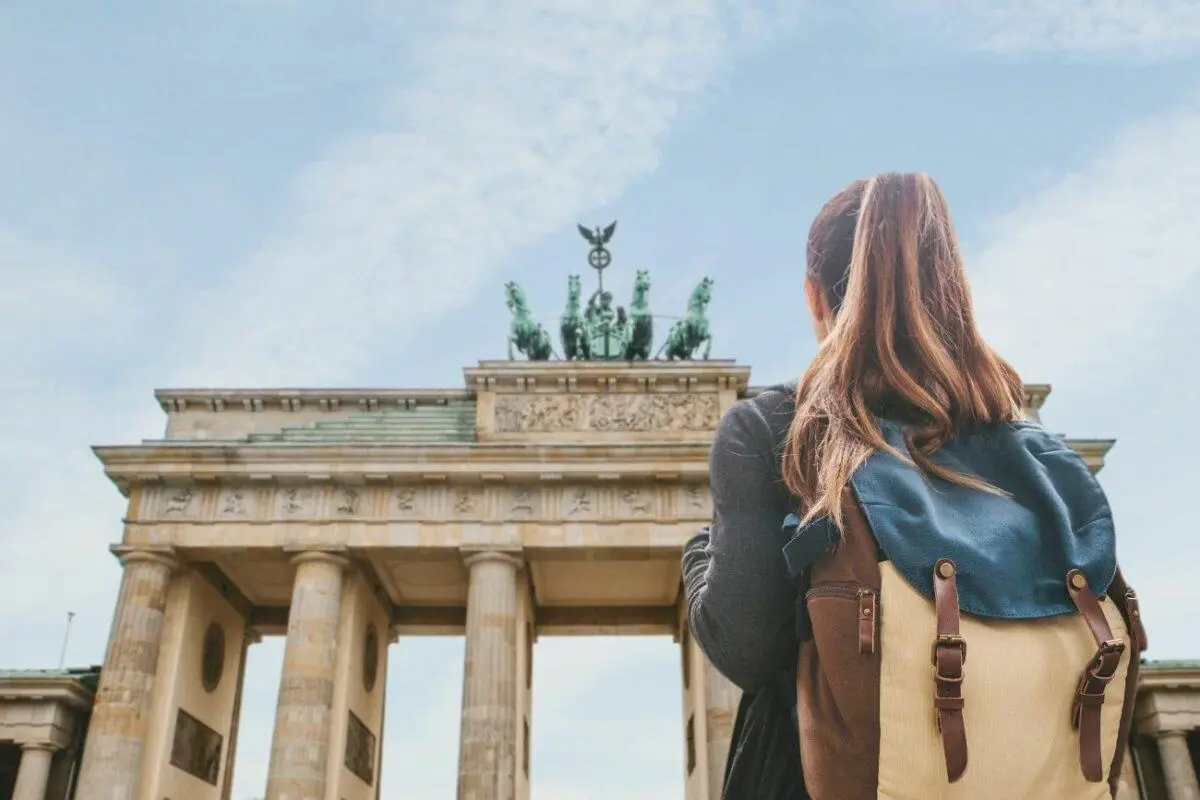
Exploring these places requires a certain mindset. It’s not about ticking off attractions. It’s about engaging with history honestly.
Some sites are quiet and reflective, while others are overwhelming. Walking through a bunker, you might feel confined. Standing in an open memorial, you might feel exposed. Both reactions are valid.
The key is to take your time. Read the signs. Listen to the stories. Germany has made a conscious effort to present its past with transparency, allowing visitors to form their own understanding.
And surprisingly, these experiences often deepen your appreciation for the country as it is today.
What You Should Know Before Visiting
Planning a trip around these sites isn’t complicated, but a little awareness goes a long way.
Many bunkers and underground locations are only accessible through guided tours. This is partly for preservation and partly because the historical context matters.
Some spaces are physically demanding. Narrow corridors, uneven floors, and low lighting are common. It’s worth wearing comfortable shoes and preparing for cooler temperatures underground.
Timing also matters. Visiting early in the day often means fewer crowds, which can make the experience more personal and reflective.
And perhaps most importantly, approach these places with respect. They are not just historical attractions. They are reminders of real lives and real consequences.
Why This Side of Germany Matters
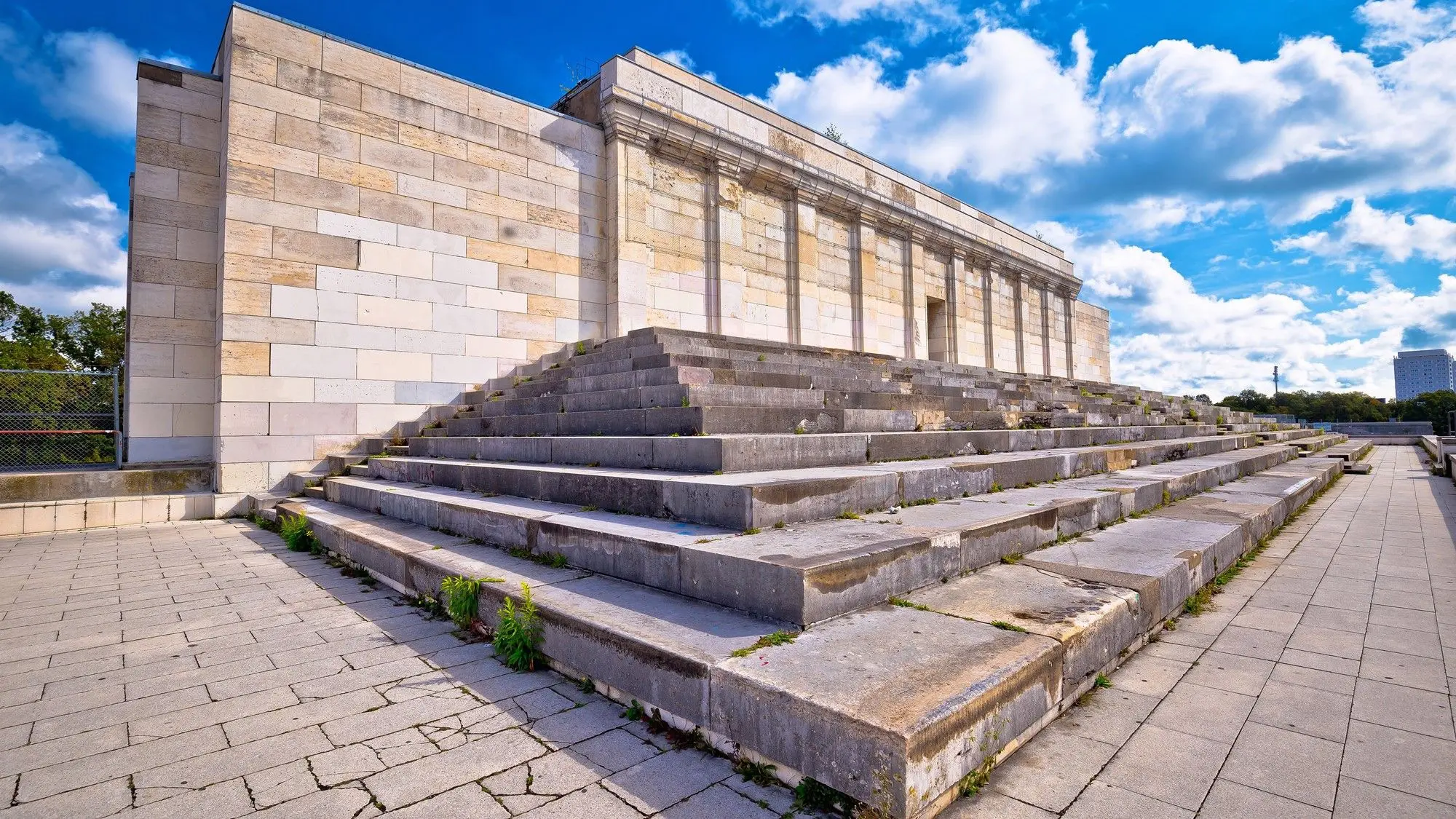
There’s something quietly powerful about how Germany handles its past. It doesn’t glorify it, and it doesn’t hide it either.
Instead, it invites you to look, to question, and to understand. And in doing so, it creates a travel experience that feels deeper than most.
By the time you leave, the country feels different. Not darker, exactly, but more layered. More honest.
And maybe that’s the real takeaway. Travel isn’t just about seeing beautiful places. Sometimes, it’s about confronting the uncomfortable ones and realizing how much they still have to teach us.
FAQ
What are the most famous WWII sites in Germany?
Berlin, Berchtesgaden, and Nuremberg are among the most significant locations, each offering different perspectives on the war.
Can you visit bunkers in Germany?
Yes, many bunkers are open as museums or guided tours, especially in Berlin and southern Germany.
Is dark tourism in Germany popular?
Very. Germany is considered one of the leading destinations for dark tourism due to its preserved historical sites .
Are these sites suitable for all travelers?
They can be emotionally intense, so they’re best suited for visitors interested in history and reflection.