
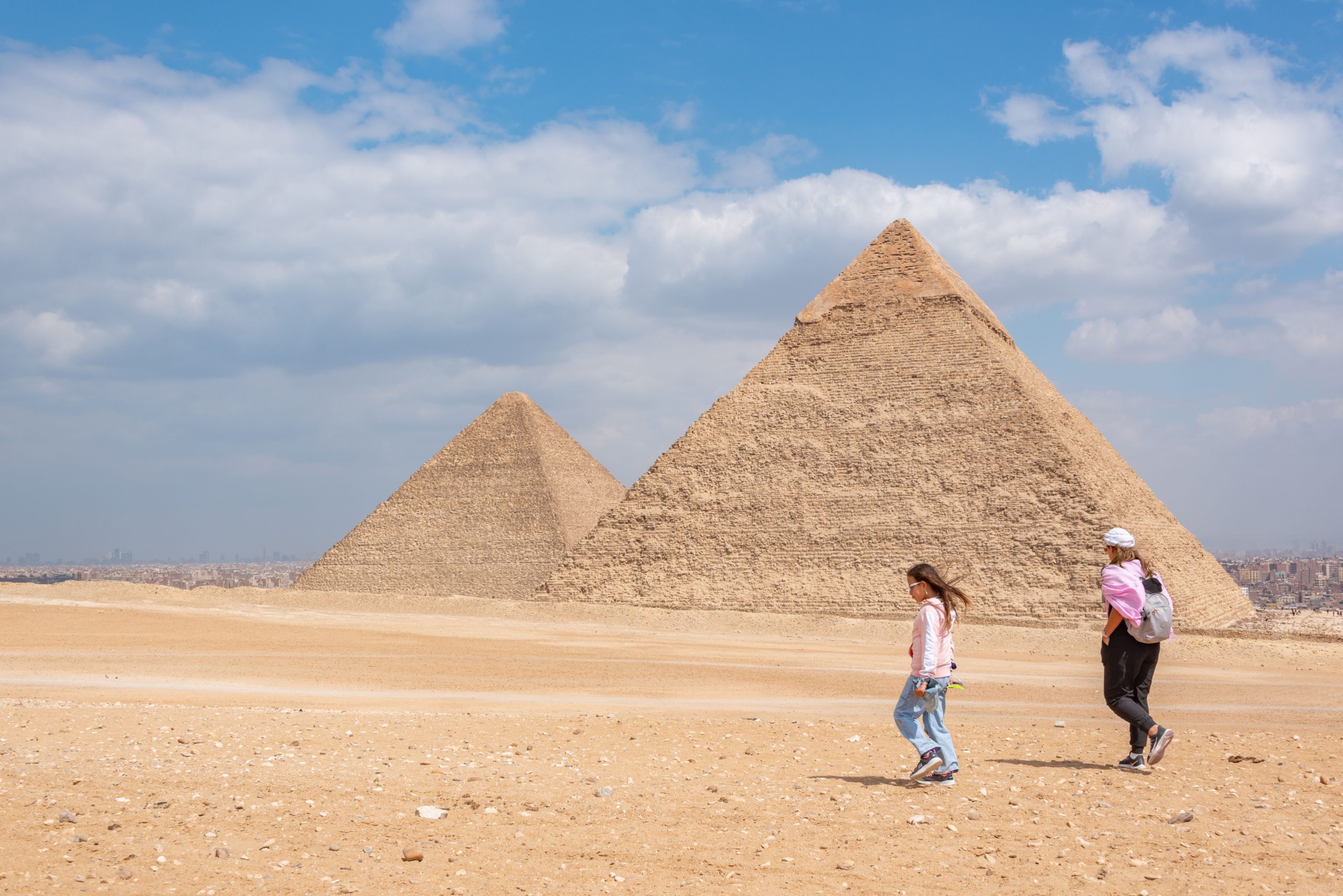
Egypt is often introduced through a familiar handful of images: pyramids, desert, a crowded Cairo street, a boat on the Nile. They are real, but the shortcuts built around them can make trip planning more confusing than it needs to be. Some myths exaggerate the risks; others turn a useful bit of local etiquette into a rule for the whole country.
Here are ten common assumptions worth replacing with more specific advice.
1. Egypt is only pyramids, tombs, and temples
Ancient sites are a major reason to go, but they are not the whole itinerary. Egypt also offers Red Sea reefs and resort towns, Mediterranean coast, desert oases, museums, contemporary arts, and food with its own regional character. The Egyptian Tourism Authority’s official site groups destinations into the Nile, Red Sea, Mediterranean, and deserts and oases-a better starting map than a single-minded dash between monuments.
Choose a trip by the experience you want, not by the assumption that every day needs another pharaonic site. Two well-paced temple days can be more memorable than trying to collect them all.
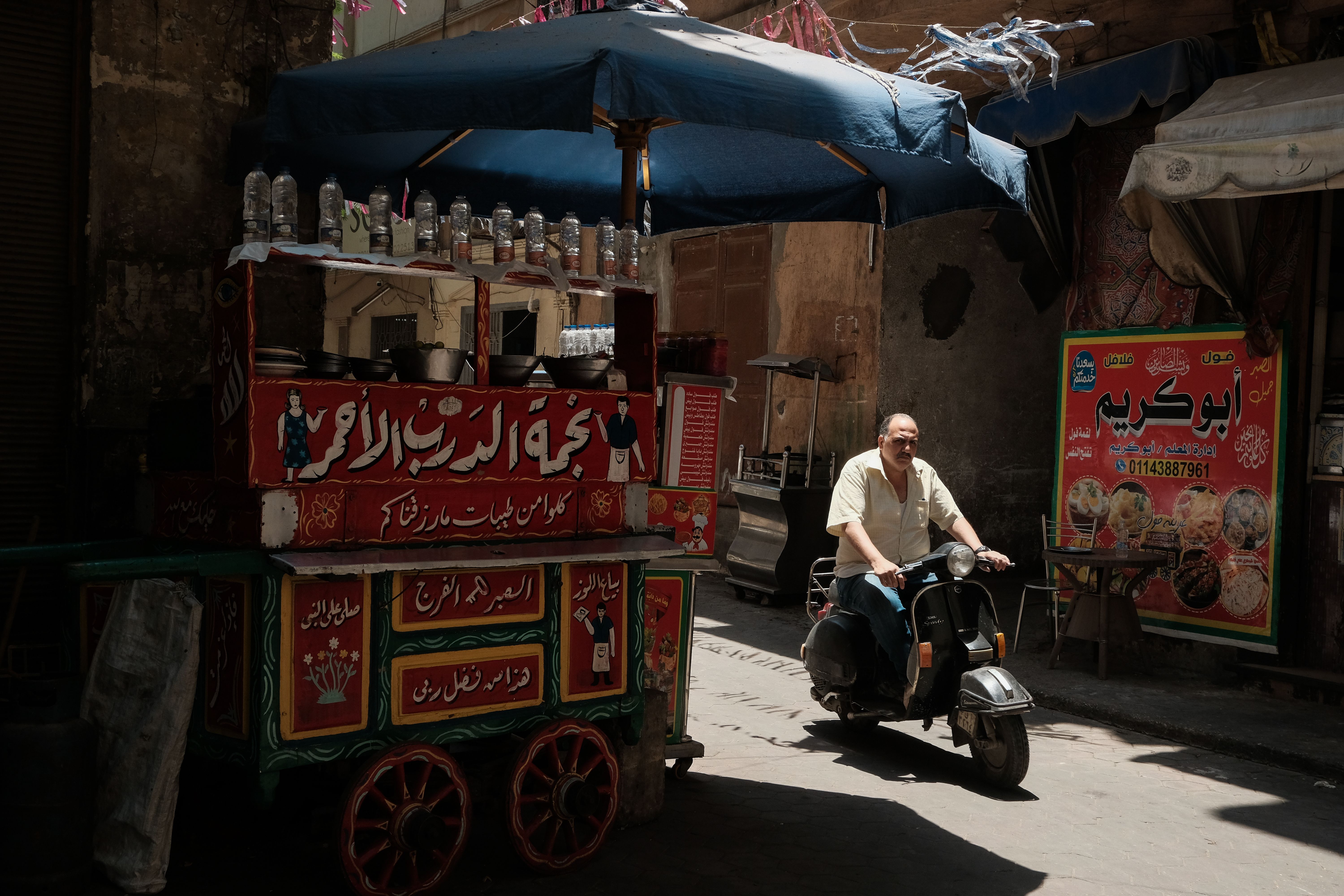
2. Cairo is just a quick stop on the way to Giza
The pyramids are in the Giza area, but Cairo is not an airport lounge with a famous view. It is a sprawling, contemporary capital with markets, neighborhoods, museums, cafés, and its own rhythm. Give the city time if those things interest you; if they do not, be honest about that and plan a shorter stay rather than treating a rushed day as a proper visit.
3. Egypt is one endless stretch of empty sand
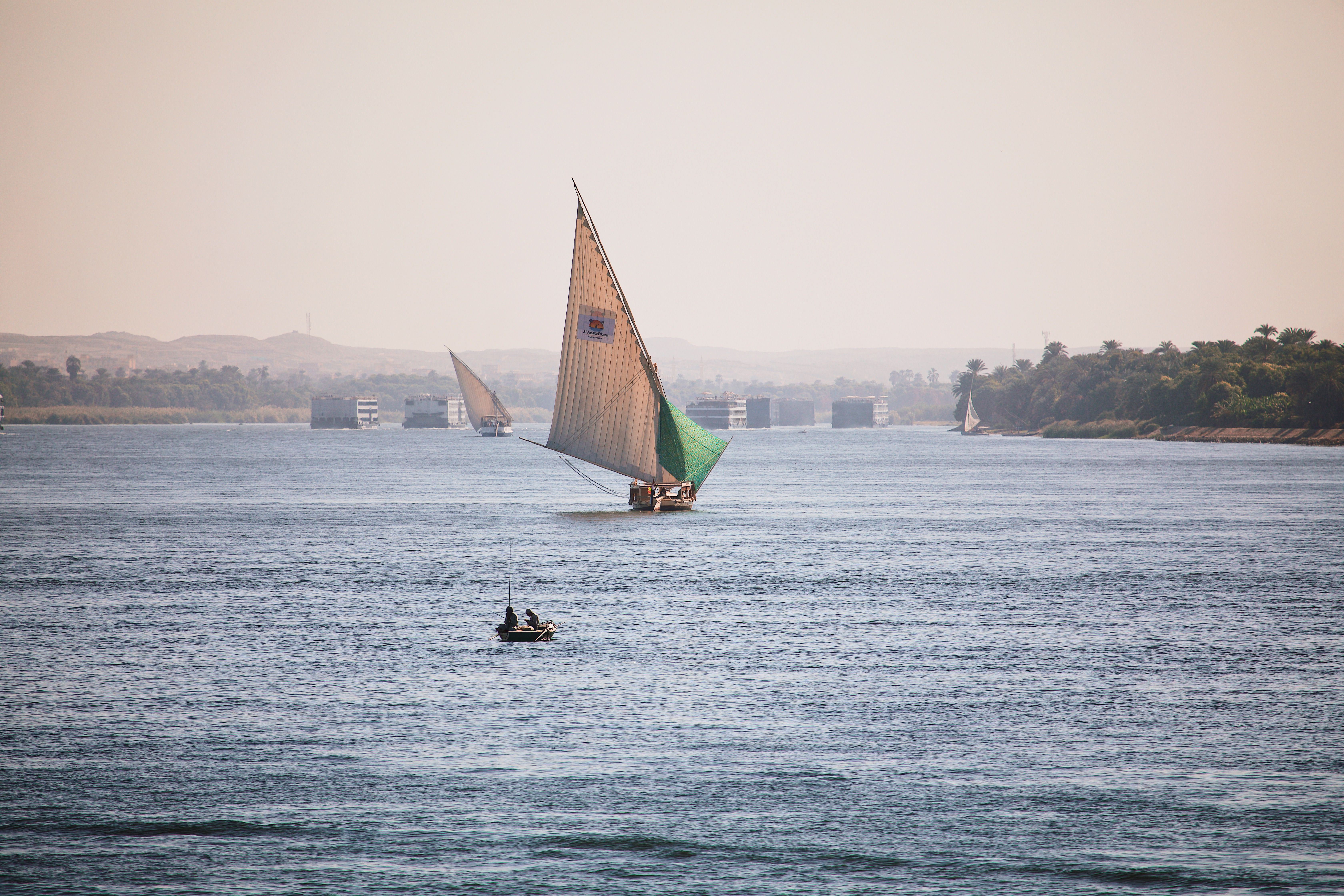
Desert is a defining part of Egypt’s landscape, but the lived-in country is concentrated along the Nile and its delta, with major cities, cultivated land, and busy roads. The contrast is the point: green riverbanks can give way to arid terrain surprisingly quickly. On a Nile journey, you are not just looking at ruins; you are watching a river corridor support modern communities as well as ancient ones.
4. The whole country is either safe or unsafe
Neither blanket reassurance nor blanket alarm is a useful travel plan. Government advice is regional and can change with events. At the time of writing, the UK Foreign, Commonwealth & Development Office listed specific areas where it advises against all or all but essential travel, while separately naming destinations such as Luxor, Aswan, Abu Simbel, and the Valley of the Kings among exceptions to its Western Desert warning. That is not a guarantee of safety; it is a reminder to assess the actual route.
Check your own government’s current advisory against every stop on your itinerary, confirm insurance coverage, and recheck close to departure. A resort, an archaeological site, and a remote border road should not be treated as interchangeable simply because they share a national map.
5. Women must cover from head to toe everywhere
There is no single dress rule for every street, beach, hotel, and archaeological site. The practical distinction is place: the Egyptian Tourism Authority recommends modest dress, covered shoulders and legs, and a headscarf for visitors entering mosques, churches, or other places of worship. Away from religious sites, light, loose clothing is a sensible choice for heat and local context, not a uniform enforced throughout the country.
Pack a scarf or light layer. It solves a specific problem when you need it without requiring you to dress for a mosque during an entire holiday.
6. You need fluent Arabic to get around
Arabic is the language of daily life, and learning a few greetings is a courteous gesture. But travelers do not need fluency to manage the main visitor routes: the Egyptian Tourism Authority says English is widely understood in urban centers and popular tourist destinations, and notes that multilingual guides are available. Outside those hubs, translation apps, written destination names, and a little patience become more useful.
Knowing a few words can improve an interaction; it is not a prerequisite for booking a train or seeing a temple.
7. Photography is forbidden at archaeological sites
That rule is too broad. The tourism authority says personal, non-commercial photography is generally allowed in public places and at archaeological sites, with flash prohibited inside museums and indoor archaeological spaces. It also lists important exceptions: do not photograph children, get written permission before photographing Egyptian citizens, and do not photograph government, police, or military sites. Professional equipment and commercial shoots can require permits.
When a sign or staff member gives a site-specific instruction, follow it. “Usually allowed” is not permission to ignore a restriction.
8. Summer makes every Egypt trip a bad idea
Summer heat is a real planning factor, particularly in the south and desert, but it does not make every destination or itinerary impossible. Egypt’s official travel information describes regional climate differences: the Mediterranean coast is cooler and more humid, while the Red Sea is less humid; the south is hotter. Winter can be comfortable for sightseeing, but it is not the only season with a case to make.
In hotter months, pick destinations and lodging with care, protect yourself from the sun, drink water, and schedule strenuous outdoor visits for cooler hours. The better question is not “Is Egypt too hot?” but “Which part of Egypt, doing what, at what time of day?”
9. A Nile cruise means a giant ship and a fixed experience
Nile trips come in different forms. The official tourism site describes large cruise ships, smaller luxury dahabeyas, local ferries, and feluccas for short sailing or sightseeing. The best choice depends on whether you want a multi-stop itinerary with onboard facilities, a smaller-boat atmosphere, or simply an hour on the river.
If a slower, more intimate sailing is the appeal, compare the itinerary and boat style of a Dahabiya Nile Cruise with larger-ship options before booking. “Nile cruise” names a setting, not one standard product.
10. Ramadan is a bad time to visit
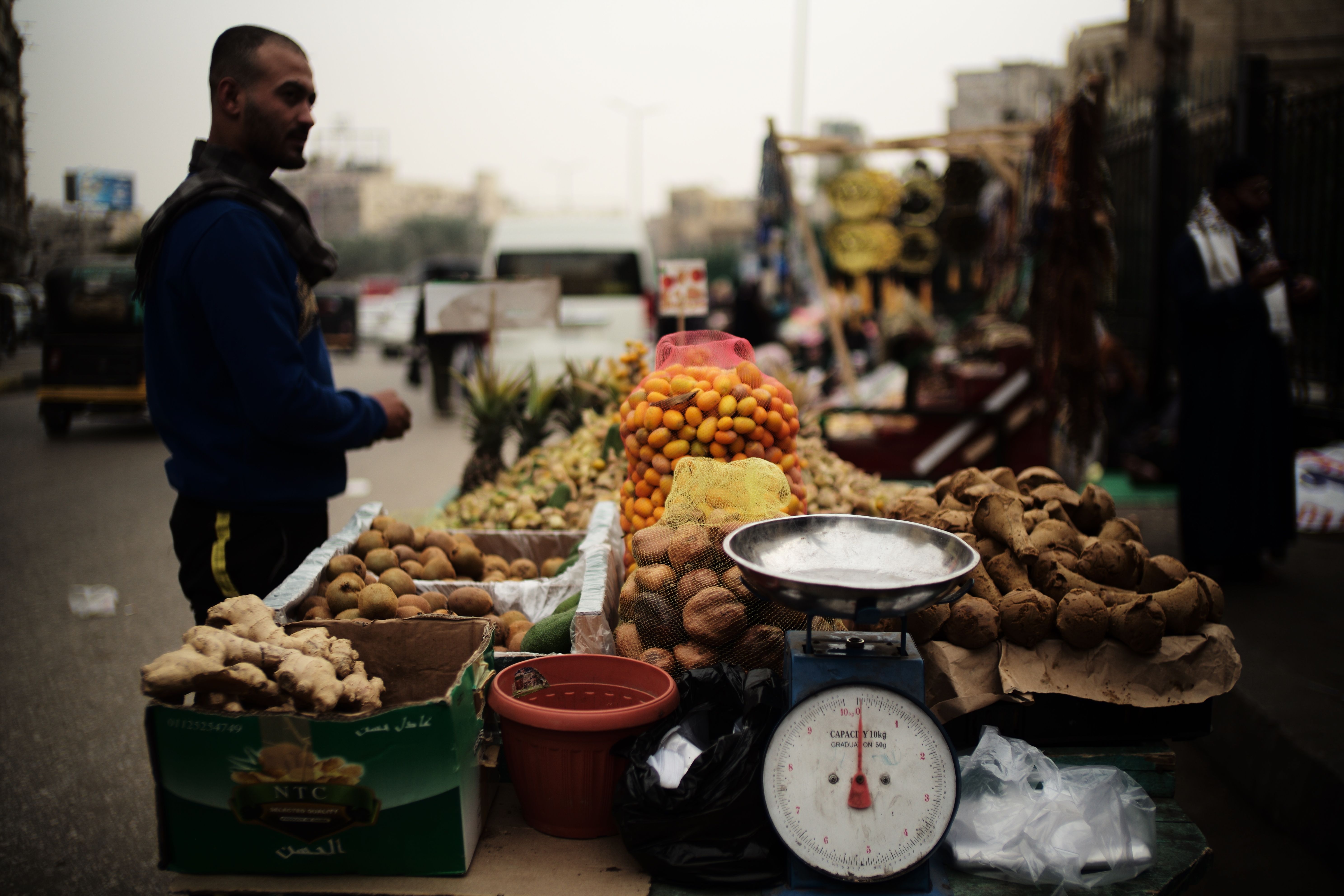
Ramadan changes the daily pattern, but “bad time” is a matter of fit. The month involves daytime fasting for Muslims, while evenings bring shared meals and streets decorated with lanterns and lights. Travelers should expect some routines and opening hours to shift, plan meals and sightseeing with that in mind, and be considerate about eating or drinking in public during daylight.
The Egyptian Tourism Authority presents Ramadan as a major cultural season, not a shutdown. If you value a glimpse of public life around an important religious month and can be flexible about the day’s schedule, it may be a reason to go rather than a reason to cancel.
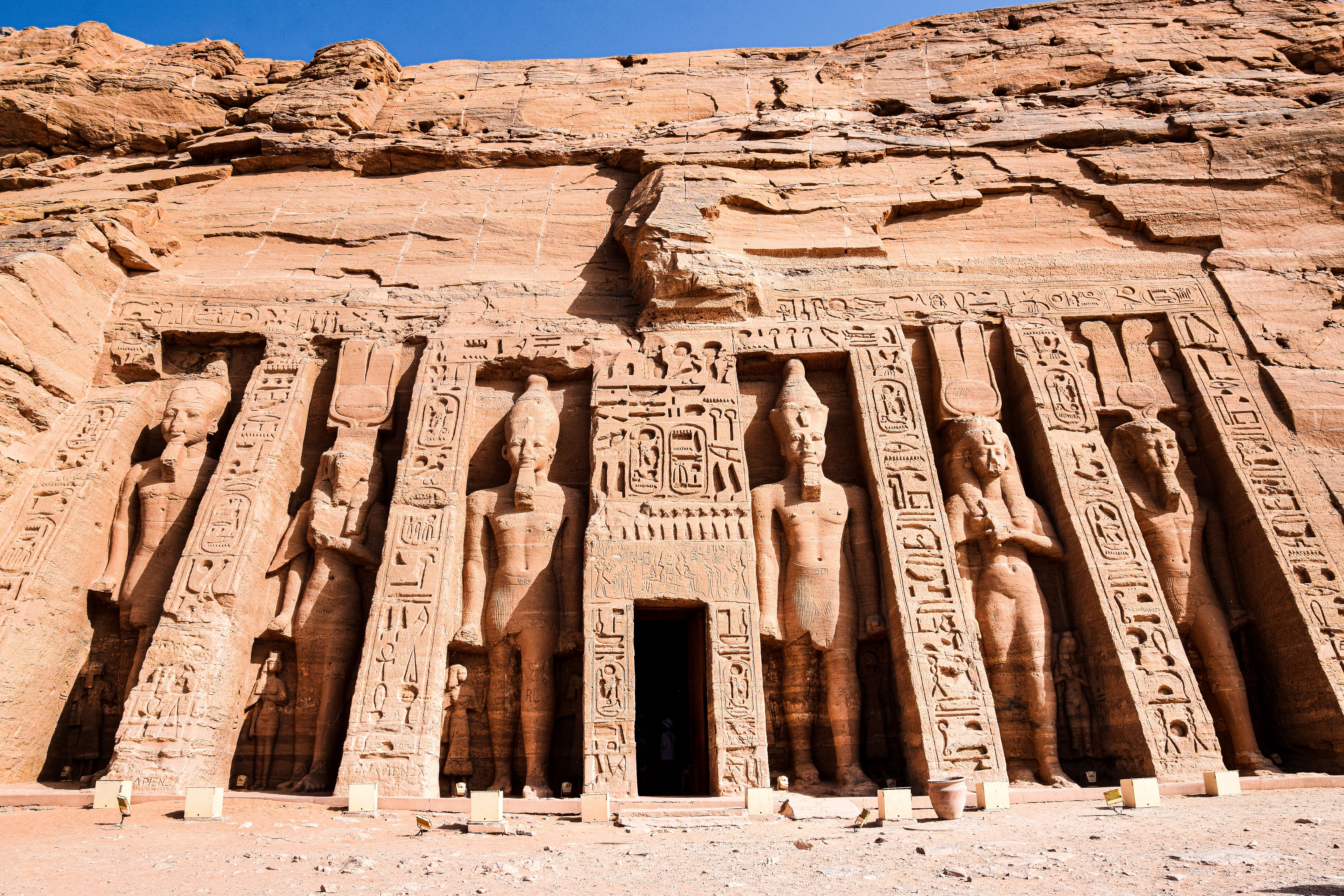
Plan for the place you are actually visiting
Most Egypt travel myths make the same mistake: they turn a real detail into a rule for the entire country. Egypt can be hot, busy, culturally varied, and logistically demanding; none of those facts alone tells you whether your particular trip will work. Build your itinerary around regions, check official guidance close to departure, and leave enough time to experience a place rather than merely pass through it.
How this article was checked: Practical details on dress, photography, transport, climate, and Ramadan were checked against the Egyptian Tourism Authority’s visitor guidance and cultural information. Regional safety advice was checked against the UK FCDO page, which showed as current on October 26, 2026, with its latest update dated August 4, 2026. Travel advisories and operating conditions can change; recheck before departure.