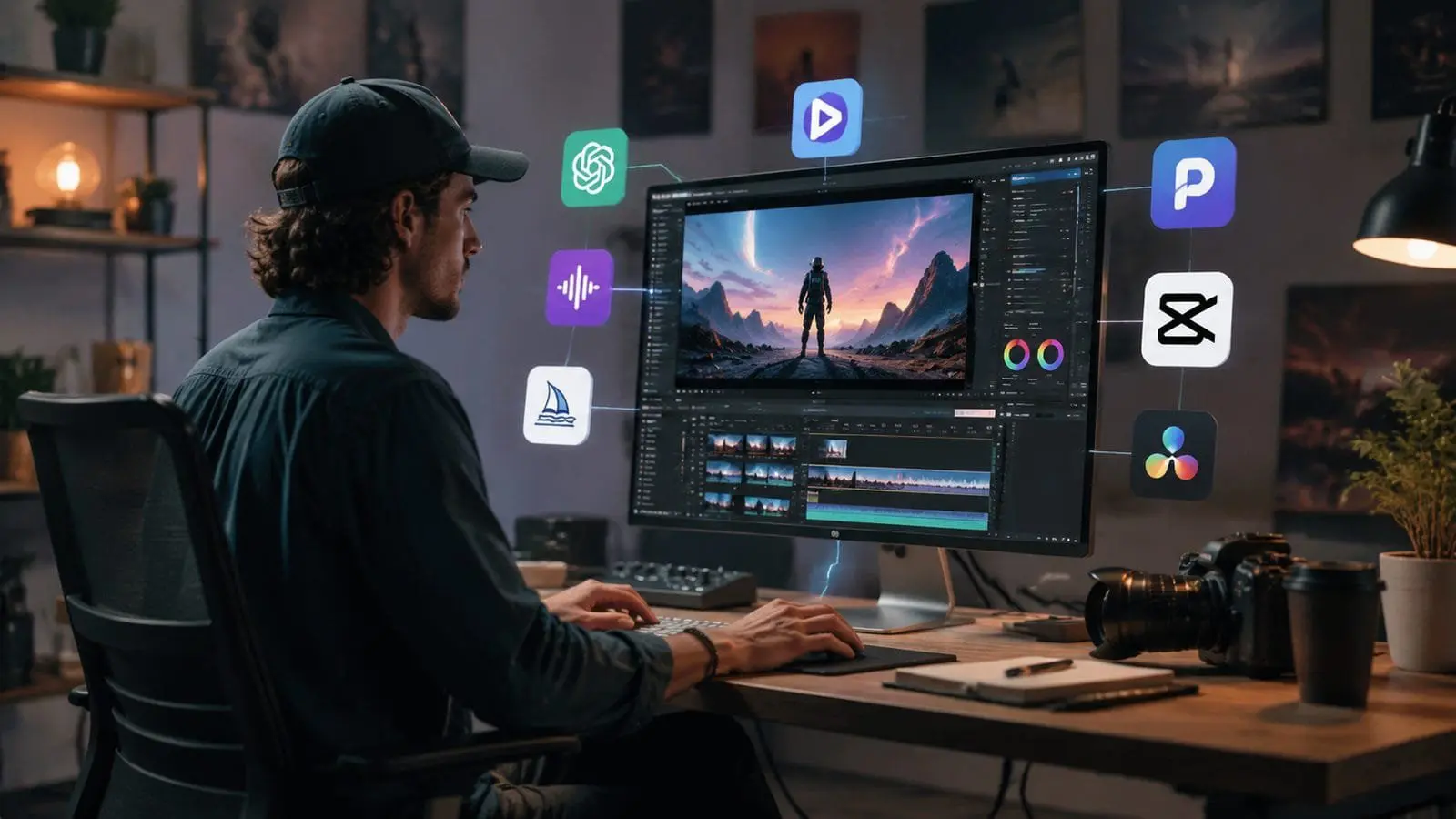
Digital media’s changing fast, and the tools available to creators, marketers, and pretty much everyday users are going through a genuinely dramatic shift. Not that long ago, the idea of generating a realistic image or editing a video clip using nothing but a text prompt sounded like science fiction.
Now it’s just… a normal part of a lot of creative workflows. That shift comes largely from AI getting folded into everyday software, letting people close the gap between an idea in their head and something actually executed, at a speed nobody expected a few years back.
The Rise of Conversational Editing
The biggest change in recent years has been the move away from complicated, timeline-based editing toward something a lot more intuitive — just typing what you want.
Video editing used to mean a genuinely steep learning curve: mastering cutting tools, keyframes, rendering settings, all of it. AI models that actually understand natural language have flattened a lot of that curve out.
Now, users just describe what they want — “remove the background noise,” “add a cinematic filter” — and the software runs with it. This conversational shift isn’t limited to video, either.
It’s reshaped static image generation just as much. Tools like GPT Image 2.5 sit right at the edge of this — letting users generate highly detailed, context-aware visuals just by describing them, no design skills required.
matters a lot for creators who need custom assets but genuinely don’t have the time, or the skill, to build them from scratch.
Bridging the Gap Between Text and Video
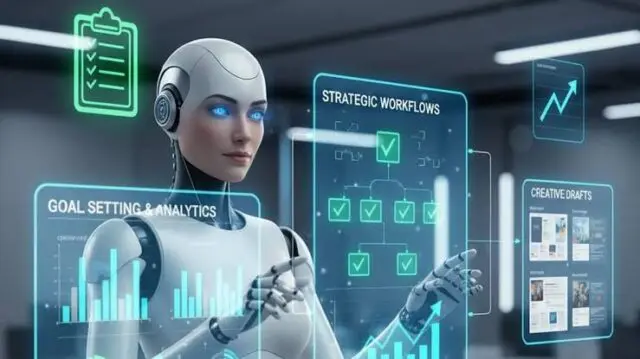
The natural next step here is fusing text generation with actual video editing. Text-based AI models have always been great at scripting and brainstorming, but the visual side has stayed the real bottleneck for a long time.
That’s exactly where a ChatGPT video editor free tool becomes genuinely useful — leaning on the reasoning built into large language models to analyze a script and suggest actual visual cuts, transitions, and sound effects to match it.
A content creator, for instance, can feed a blog post into an AI tool and get back a storyboard outline, complete with B-roll suggestions and text overlays.
That cuts pre-production time down considerably. And honestly, the accessibility side matters just as much — high-quality video production isn’t locked behind expensive software or a dedicated editing suite anymore.
Being able to generate a rough cut straight from a text prompt lets creators spend more energy on actual creative direction, and a lot less on the technical grind that used to eat up half the project.
Streamlining the Workflow With CapCut
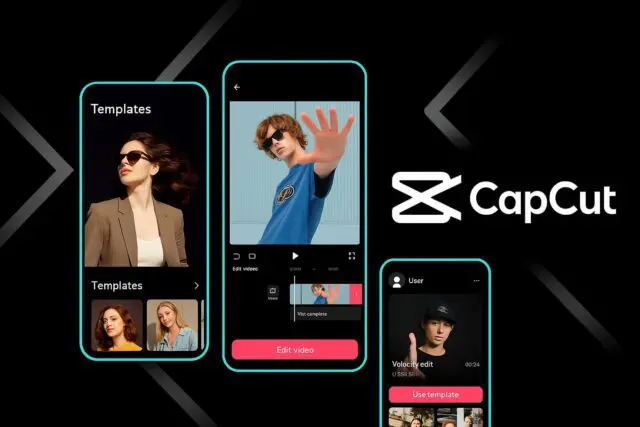
As AI keeps getting woven into creative suites, platforms like CapCut have turned into real hubs for this whole new wave of content creation.
CapCut’s grown from a simple mobile editing app into a full ecosystem — desktop editing, cloud collaboration, AI-driven features, the works.
It’s a genuinely practical example of AI actually being implemented in real time. Users can lean on CapCut’s built-in AI tools to auto-caption videos, remove backgrounds with no green screen needed, and even generate scripts from scratch.
Put all that together, and someone can go from a raw idea to a polished, shareable video in a fraction of the time it used to take.
For anyone wanting to explore what the software can actually do, the official site has a lot of resources and the latest on its AI features — accessible directly at https://capcut.com.
The Future of Creative Collaboration

Looking ahead, the line between “editor” and “generator” is probably going to keep blurring. We’re heading toward AI acting more like an actual collaborative partner rather than just a tool sitting in a menu.
Picture editing a video where the AI isn’t just cutting clips, but also suggesting a better narrative flow based on actual audience engagement data, or generating a fresh soundtrack that matches the emotional tone of a scene on its own.
This shift raises some genuinely interesting questions about authenticity and creativity, too. As AI takes over more of the technical execution, a human creator’s real value shifts toward curation, storytelling, and emotional resonance instead.
Being a good creator increasingly comes down to knowing how to direct the AI well — knowing exactly what to ask for, and how to refine what comes back.
Wrapping Up
AI getting woven into content creation isn’t some passing trend — it’s a genuine, structural shift in how digital media actually gets made.
From generating complex images with tools like GPT Image 2.5 to simplifying editing through conversational interfaces, the barriers to entry are lower than they’ve ever been.
Embracing platforms like CapCut and actually understanding what AI-driven editing can do, opens up real productivity and creativity gains for creators.
As these tools keep advancing, the only real limit left is the scope of what people can actually imagine.