Planning a Munich trip in 2026 is exciting, but it is also one of those travel plans where the budget can stretch fast if you do not map it out early.
Munich is beautiful, clean, safe, easy to explore, and packed with culture, but it is not the cheapest city in Germany. The good news is that the city rewards smart planning.
You can enjoy beer gardens, museums, palaces, parks, day trips, and great food without treating every day like a luxury splurge.
The Realistic Daily Budget For Munich In 2026
For most visitors, a realistic Munich daily budget in 2026 sits somewhere between €120 and €220 per person, not including flights. Budget travelers can go lower by staying in hostels, eating casually, and walking a lot.
Mid-range travelers should plan for private accommodation, relaxed meals, public transport, and one paid attraction per day.
A practical breakdown looks like this:
- Budget trip: €80 to €120 per day
- Comfortable mid-range trip: €140 to €220 per day
- Premium trip: €300+ per day
Munich gets especially expensive during major events. Oktoberfest is the obvious one, but trade fairs, summer weekends, and big football dates can also lift hotel prices. That is why your timing matters almost as much as your taste.
Accommodation Will Shape Most Of Your Munich Travel Cost
Hotels are usually the biggest part of any Munich trip cost. Recent hotel data shows an average Munich double room around $263 per night, with cheaper deals sometimes available depending on dates and location. That does not mean every normal traveler must pay that much, but it does show why booking early matters.
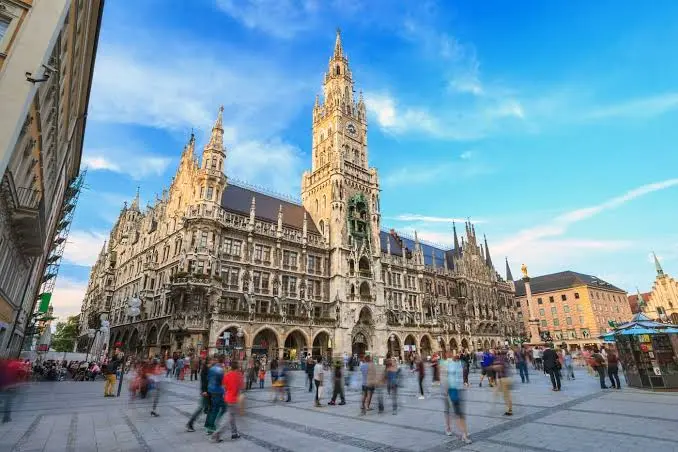
For a 2026 trip, budget around €45 to €80 for a hostel bed, €90 to €160 for a simple private room, and €170 to €280 for a comfortable hotel in a central area. If you want a more polished stay near Marienplatz, Altstadt, or Lehel, your accommodation budget should be higher.
Adult travelers who build premium nightlife, private hosting, or refined local companionship into their plans may also look at specialist Munich services such as Louisa as a separate luxury budget category, not part of the standard daily travel cost.
Getting Around Munich Is Easy And Fairly Predictable
Munich public transport is one of the city’s best budget advantages. The MVV network connects the airport, city center, museums, beer gardens, neighborhoods, and many surrounding areas by S-Bahn, U-Bahn, tram, bus, and regional train. MVV notes that a day ticket is usually better value if you make more than two journeys in one day.
A single adult airport ticket to Munich Airport was listed at €14.30 as of December 2025, while the Airport City Day Ticket was listed at €16.30. The group airport day option can be much better value for two to five people traveling together.
Important budget note: if you stay central and walk a lot, transport costs can stay surprisingly low. If you plan palace visits, airport transfers, and evening rides, add more room.
Food, Beer, And Coffee Add Up Quicker Than You Expect
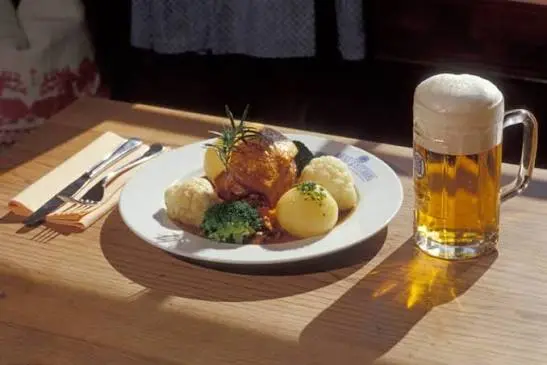
Food in Munich can be as simple or as expensive as you make it. A bakery breakfast, supermarket snacks, and casual takeaway can keep you comfortable without draining the wallet.
it-down meals, beer halls, and traditional Bavarian restaurants are worth enjoying, but they change the daily number quickly.
Here is a realistic food budget for one person:
| Travel style | Daily food budget | What it usually covers |
| Budget | €25 to €40 | Bakery breakfast, takeaway lunch, casual dinner |
| Mid-range | €45 to €75 | Cafe breakfast, restaurant meal, beer or dessert |
| Premium | €90+ | Better restaurants, cocktails, wine, full evening plans |
If you visit during Oktoberfest, drinks alone can shift the budget. Official 2026 Oktoberfest beer prices range from €14.80 to €15.90 for a liter.
Museums, Palaces, And Paid Attractions Are Reasonable
Compared with hotels and food, Munich’s cultural attractions are fairly manageable. The Residenz Museum lists 2026 admission at €10, while the Residence Museum and Treasury combination ticket is €15.
Nymphenburg Palace is more expensive if you take the full combination ticket, listed at €20 from April to mid-October and €16 in the winter season.
The Deutsches Museum, one of Munich’s strongest attractions for science, engineering, and tech-minded travelers, lists an adult day ticket at €16.
For most visitors, €15 to €30 per day is enough for attractions. Add more if you want guided tours, the City Pass, or day trips outside Munich.
A Three-Day Munich Trip Budget Example
A three-day Munich itinerary is probably the sweet spot for first-time visitors. It gives you time for the old town, Englischer Garten, a beer hall, one major museum, one palace, and maybe a slower neighborhood afternoon without rushing everywhere.
For a comfortable mid-range solo trip, expect something like this:
- Accommodation: €300 to €480
- Food and drinks: €150 to €225
- Local transport: €25 to €55
- Attractions: €40 to €90
- Extras and buffer: €75 to €150
That puts a sensible three-day Munich travel budget around €590 to €1,000 before flights. Couples can often reduce the per-person hotel cost by sharing a room, while solo travelers usually feel accommodation prices more sharply.
So, How Much Should You Actually Bring?
For a normal 2026 Munich trip, the clean answer is this: bring around €600 to €900 per person for three days, excluding flights, if you want comfort without luxury.
Budget travelers can manage closer to €350 to €500 with hostels and simple meals. A polished trip with better hotels, premium dining, and nightlife can easily pass €1,200 per person.
Munich is not a city where you need to overspend to have a good time. Some of its best moments are simple: walking through the old town, sitting by the Isar, exploring gardens, or grabbing something warm from a bakery. Plan the big costs first, leave a flexible buffer, and the city becomes much easier to enjoy.