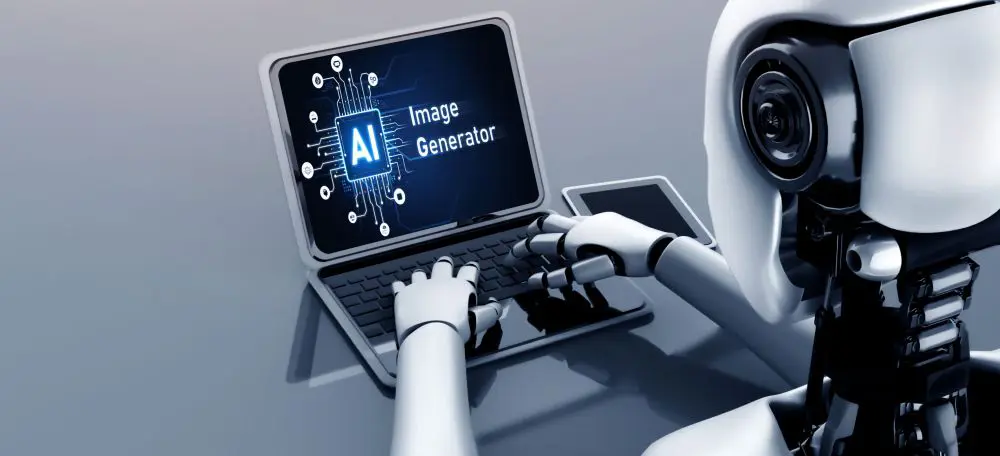
AI’s changed how people approach digital image creation. No more relying purely on photography, illustration software, professional design skill. Describe an idea in plain language now, get a generated visual back. Made image creation genuinely accessible. Also opened up real questions — accuracy, originality, editing, responsible use. All of it, worth thinking through.
What Is an AI Image Generator, Actually?
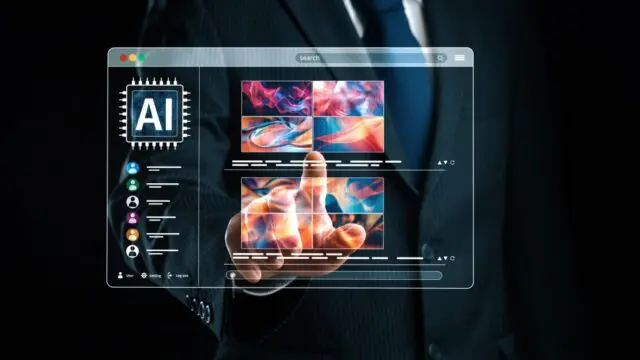
An AI image generator software that creates images from written instructions — prompts. Describe a landscape, a product concept, a character, an architectural scene, an abstract composition. The model interprets the language, produces a visual.
Modern systems train on genuinely massive collections of visual and text info. During training, they learn relationships — concepts, objects, styles, colors, compositions, descriptive language, all connected. Give it a new prompt, and the system constructs an image off those learned relationships. Not fetching an existing photo. Building something new.
Quality of the result depends on a few things — the model’s actual capability, how complicated the request is, how clearly the prompt communicates the intended scene.
How Text-to-Image Tech Actually Works
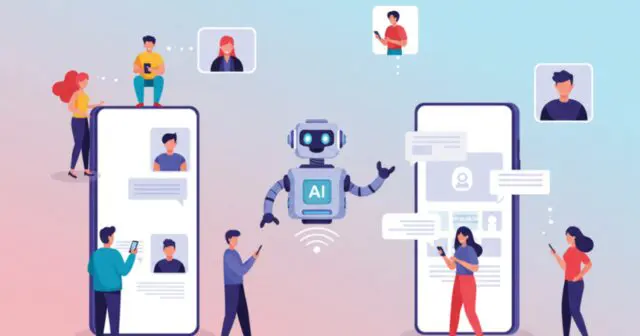
Genuinely technical underneath, but the basic process breaks into stages. First, the written prompt gets analyzed — important concepts and relationships identified. Model converts that into something it can actually work with computationally.
A lot of modern systems run diffusion-based methods, or related generative architectures. Simplified — these systems learn how visual patterns get constructed and refined. Starting from a representation full of randomness, the model moves progressively toward an image matching the requested description.
Some newer models handle genuinely complicated instructions now too — multiple objects, spatial relationships, visual styles, text elements, specific compositions. Describe a whole scene. Not a pile of disconnected keywords anymore.
Writing Genuinely Better Prompts
A detailed prompt doesn’t guarantee a perfect result. Real context still makes generation a lot more predictable, though. Instead of “a city,” specify the location type, time of day, atmosphere, perspective, lighting, important objects.
Describe a quiet coastal city at sunrise, viewed from an elevated street, warm light reflecting off buildings, pedestrians in the distance. That’s real visual context for the model to interpret. Not a guess.
Worth separating essential requirements from optional stylistic details, too. Composition matters? Describe where major objects should sit. Mood matters more? Lighting, color, atmosphere, artistic treatment — those terms deserve the real focus.
GPT Image 2.5 and Where Generation’s Actually Headed
As image models get more capable, focus is shifting. Less about simple image creation, more about better instruction-following and flexible visual reasoning. A GPT Image 2.5 AI image generator fits inside that broader development — systems built to interpret genuinely detailed natural-language instructions and turn them into real visual results.
Usefulness here goes well past producing pretty pictures. Concept development. Visual experimentation. Storyboarding. Educational illustrations. Presentation assets. Early-stage design exploration. Test several ideas fast, decide which ones deserve real manual work afterward.
Generated images still carry real mistakes, though. Hands. Signs. Lettering. Proportions. Reflections. Relationships between objects — none of it always matches the prompt precisely. That’s exactly why generated content genuinely benefits from human review and editing. Every time.
Where This Stuff Actually Gets Used
AI image generation shows up across a lot of creative and professional fields. Writers explore story scenes with it. Educators build illustrative material for lessons and presentations. Designers experiment with layouts, themes, visual directions before producing a final asset.
Businesses use it during brainstorming too. A product team visualizes different packaging concepts or advertising environments before ever investing in photography or detailed design work.
Social creators explore visual concepts with it. Independent artists fold it into an ideation process. The tech serves different purposes, really, depending on how much human editing and creative direction actually goes into it afterward.
The Real Limits and Accuracy Concerns
AI-generated images shouldn’t get treated as automatically factual. A generated historical scene, scientific illustration, architectural visualization, realistic portrait — any of it can carry invented details. Looking convincing doesn’t mean the depicted info’s actually accurate. Two different things entirely.
Text inside generated images needs extra checking too. Newer models handle lettering better, sure, but unusual names, long sentences, complex typography can still produce real errors.
Worth reviewing generated visuals carefully, especially anywhere headed toward education, journalism, technical communication, advertising — anywhere accuracy genuinely matters.
Copyright, Privacy, Using This Responsibly
Responsible generation is more than just generating something that is technically impressive. Consider whether prompts or source materials include copyrighted works, recognizable individuals, trademarks, private information.
How the rules apply to content produced by AI and copyright varies by jurisdiction and context. Commercial use of generated images? Understand terms, licenses and legal requirements applicable. Not all images generated are automatically granted unlimited rights. Usually, it doesn’t.
Privacy matters here too. Uploading photos or other personal material to an AI service involves processing worth actually understanding before submitting anything. Checking a service’s privacy and usage policies helps make an informed choice, rather than assuming the best.
Where AI Image Creation Is Actually Headed
This tech’s likely heading toward more control, better instruction-following, stronger consistency, more sophisticated editing. Future systems might make it easier to hold the same character, object, or visual environment steady across multiple images, while still allowing precise changes to individual elements.
Even as these systems improve, human judgment stays essential. Choosing the right concept. Checking factual details. Refining composition. Deciding whether an image actually fits a particular purpose — real creative decisions technology doesn’t erase.
AI image generation’s best understood as a rapidly developing creative technology. Not a full replacement for traditional visual skill. Used thoughtfully, it genuinely shortens experimentation time, widens creative possibilities, and offers a real, practical way to turn written ideas into actual visual concepts.