

Maintaining high visibility on-site is more than just a regulatory requirement; it is a fundamental part of a tradesman’s daily safety kit. Selecting the right gear involves balancing industry standards with the specific physical demands of your trade to ensure you stay protected throughout the workday.
Hi vis vests play a vital role in keeping tradesmen safe, but not all vests are created equal. Choosing the right high-visibility vest depends on the type of work, environment, and level of exposure to hazards. For tradesmen who spend long hours on site, selecting the correct vest can improve both safety and comfort.
Understanding Different Hi Vis Vest Classes
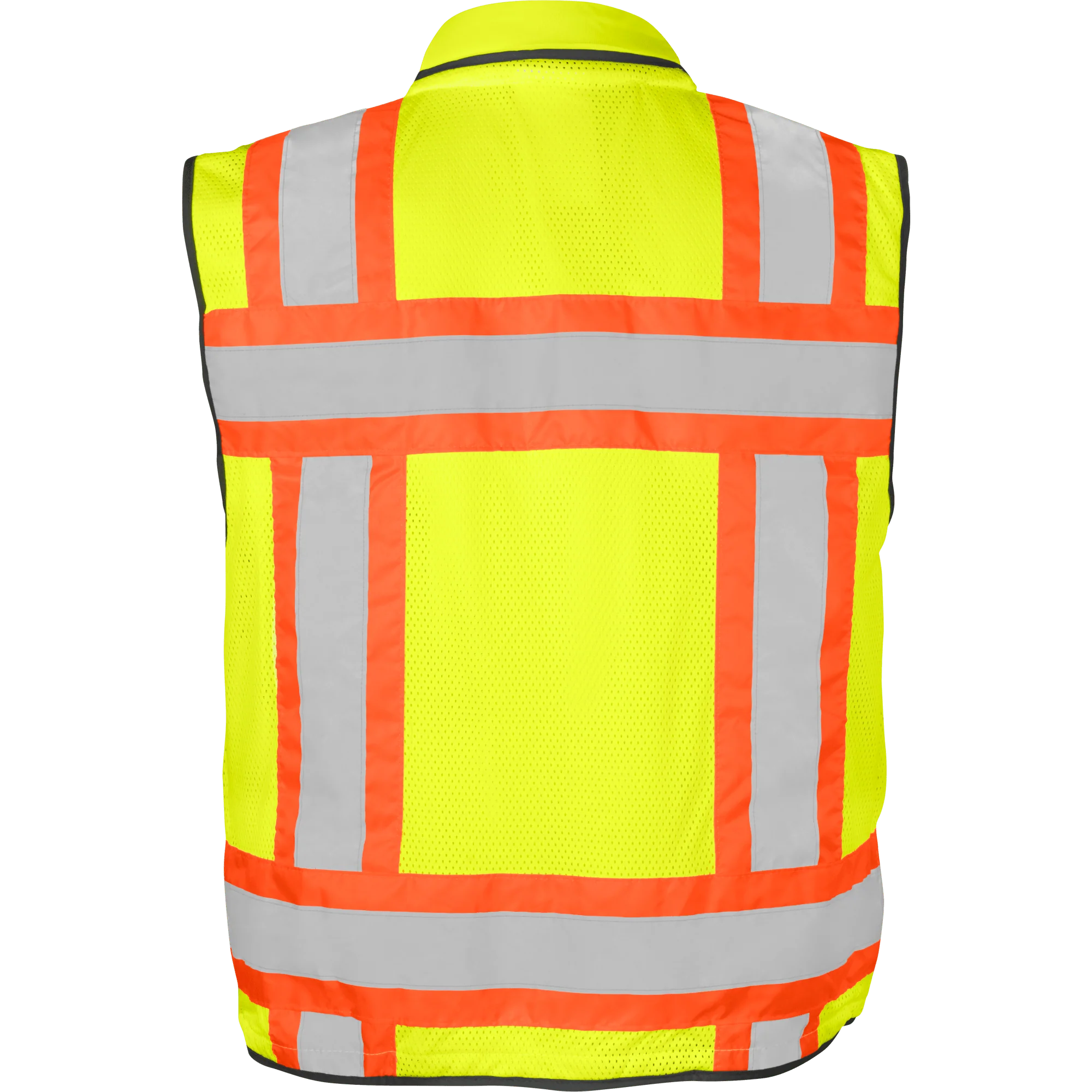
High-visibility clothing is often categorized into different classes based on the amount of visible material and reflectivity. Tradesmen working near traffic or heavy machinery typically require higher-class vests that offer maximum visibility. Lower-risk environments may allow for lighter options, but visibility should never be compromised.
Knowing which class is required for a specific job helps tradesmen avoid non-compliance issues and ensures they are adequately protected. Employers and site managers often specify the minimum requirements, but understanding these standards empowers tradesmen to make informed decisions.
Matching the Vest to the Job Environment
Tradesmen work in a wide range of environments, from indoor workshops to open construction sites. The right hi vis vest should suit the surroundings. For indoor work, lightweight mesh vests may be sufficient, offering visibility without excessive heat buildup. Outdoor tradesmen exposed to traffic or poor weather conditions should opt for vests with strong reflective striping and durable materials.
Roadside workers, surveyors, and utility tradesmen benefit from brighter colors and wider reflective bands, especially when working near moving vehicles. In contrast, warehouse tradesmen may prioritize flexibility and breathability over heavy insulation.
View this post on Instagram
Comfort Matters More Than You Think
A vest that is uncomfortable is less likely to be worn consistently. Tradesmen should look for hi vis vests that fit properly and allow for a full range of motion. Adjustable straps, stretch panels, and lightweight fabrics all contribute to better wearability.
Breathability is another key factor. Tradesmen who work physically demanding jobs can quickly overheat, especially in warmer climates. Mesh panels and moisture-wicking fabrics help regulate body temperature while maintaining visibility.
Practical Features for Tradesmen
Many hi vis vests are designed with tradesmen in mind, offering features that go beyond visibility. Pockets for tools, phones, or ID cards can reduce the need for additional gear. Some vests include clear ID holders, making site access easier.
Zip-up closures are often preferred over Velcro for durability, especially in dusty or muddy environments. Tear-away designs add an extra layer of safety, allowing the vest to detach if it gets caught in machinery.
Durability and Longevity
Tradesmen put their gear through tough conditions. Hi vis vests should be durable enough to withstand daily wear, frequent washing, and exposure to dirt, grease, and weather. Reinforced stitching and high-quality reflective tape ensure the vest remains effective over time.
Replacing worn or faded vests is essential. Once the fluorescent color dulls or reflective strips degrade, visibility is reduced, increasing risk on site. Regular inspections help tradesmen know when it is time to upgrade.
Personalization and Professional Appearance
Some tradesmen choose to personalize their hi vis vests with company logos or names. This not only promotes professionalism but also helps identify workers on busy sites. Personalized vests can improve team cohesion and make it easier for supervisors to manage crews.
Despite being safety gear, hi vis vests can still look professional. Clean, well-fitted vests reflect positively on tradesmen and their businesses, especially when working with clients on visible job sites.
Final Thoughts
Choosing the right hi vis vests is about more than meeting safety requirements. For tradesmen, it is an investment in comfort, efficiency, and long-term protection. By selecting vests that match their work environment and daily demands, tradesmen can stay visible, compliant, and confident on every job.