

Trust is a strange thing online. People can land on a website, Instagram profile, product page, or booking form and make a quiet judgment before reading much at all.
Is this business real? Does it look professional? Would I feel safe buying from it?
For small businesses, that first impression matters because there is often no famous name doing the heavy lifting.
Visual branding helps close that trust gap. It gives your online presence a clear, polished, and familiar look, so people feel more comfortable taking the next step.
Why Trust Starts Before People Read Your Offer

Before someone checks your prices or reads your About page, they notice the look of your brand.
The logo, colors, fonts, photos, spacing, and overall layout create an instant mood. A messy design can make even a good business feel uncertain, while a clean and consistent style quietly says, “We take this seriously.”
That does not mean small businesses need luxury-level design. It means the basics should feel intentional.
If your website looks different from your social posts, and your emails look different again, people may wonder whether they are dealing with the same company.
Visual branding gives everything one recognizable thread. It makes your business easier to remember and easier to trust.
Consistency Makes A Small Business Feel More Established
Consistency is one of the easiest ways to look more professional online. When people see the same colors, logo placement, image style, and tone across your website, social channels, ads, invoices, and packaging, they start building recognition.
Recognition creates comfort, and comfort supports trust.
This is especially useful for small businesses competing with bigger brands. You may not have a huge advertising budget, but you can still look organized and dependable.
A simple brand kit can help:
- Main logo and simplified logo version
- Two or three brand colors
- One headline font and one body font
- A preferred photo or illustration style
None of this needs to be complicated. The goal is to stop making every post, page, or banner from scratch. Once your visuals follow a clear system, your brand feels more stable.
Strong Visual Details Make The Business Feel Real

Small online details often do more trust-building than people realize. A custom storefront photo, branded packaging, real team images, or a clear sign in the background can make a business feel more grounded.
People want proof that there is a real operation behind the screen, not just a random page trying to sell something.
For example, a café, salon, studio, pop-up shop, or creator-led business can use a tool like a neon sign maker to design a custom LED sign that matches its name, colors, and atmosphere.
When that sign appears in website photos, short videos, or social content, it becomes more than decoration. It works like a visual signature that helps customers recognize the space and remember the brand.
Design Choices That Send Trust Signals
Good visual branding does not shout for attention. It quietly removes doubt. When a page is easy to read, the photos feel real, and the design has breathing room, visitors are more likely to stay and explore.
That is important because online trust is often built through small moments, not one dramatic feature.
A 2002 Stanford Web Credibility Project report, based on three years of research involving more than 4,500 people, created guidelines for improving website credibility.
One of its key ideas is that websites should make it easy to verify information and show that a real organization is behind the site.
That applies perfectly to small business branding. Your visuals should support the feeling that you are clear, reachable, and legitimate.
Important trust cue: visual design should never hide information. It should make contact details, reviews, services, pricing cues, guarantees, and next steps easier to notice.
Where Visual Branding Has The Biggest Impact
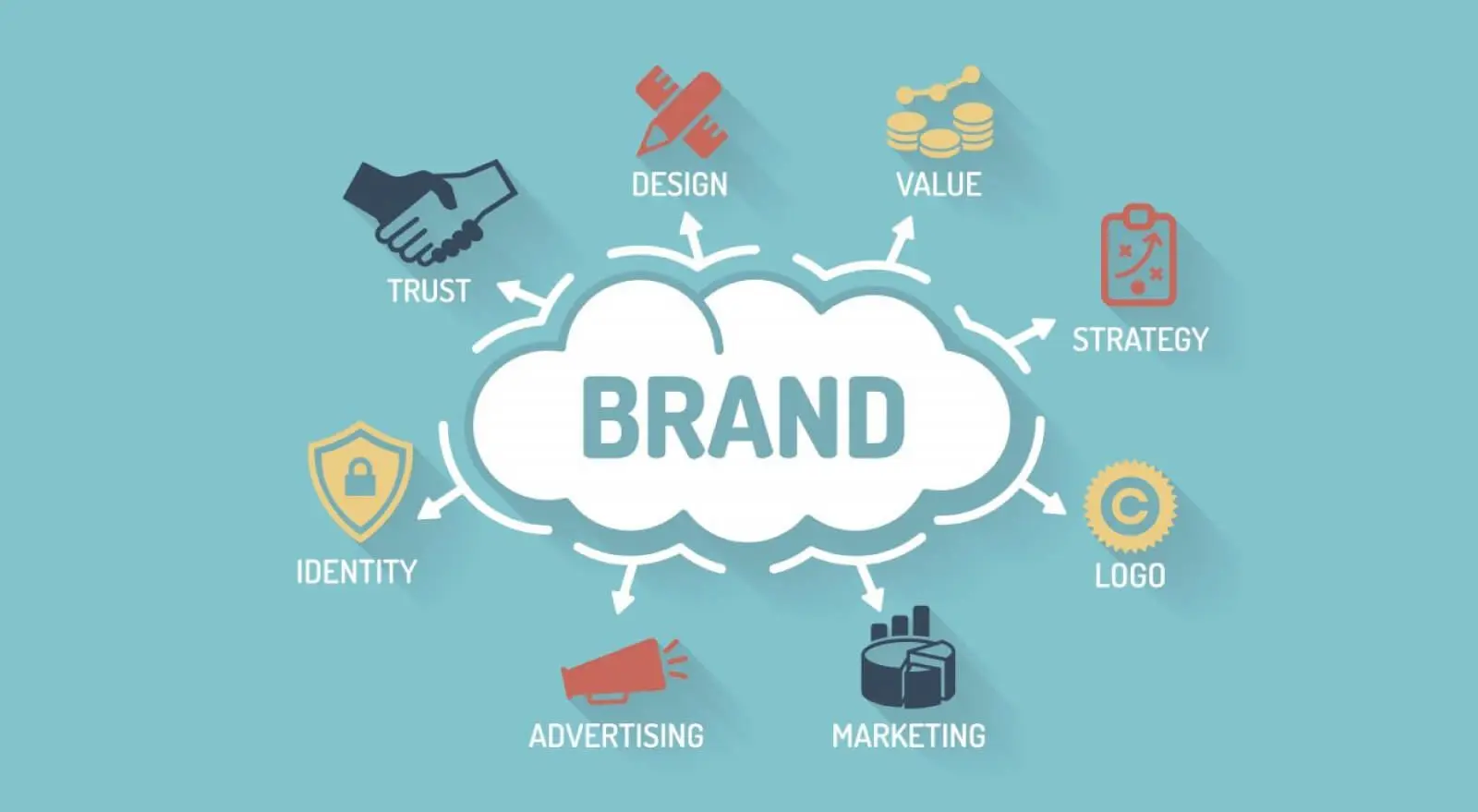
Some parts of your online presence carry more weight than others. A homepage, product page, booking page, social profile, and Google Business Profile often shape the first impression. These are the places where your visual branding needs to feel especially clear.
| Brand element | What it tells customers |
| Logo | The business is identifiable and consistent |
| Colors | The brand has a clear mood and personality |
| Photos | The product, team, or service feels real |
| Layout | The business respects the customer’s time |
| Typography | The message is easy to read and understand |
After these basics are in place, trust becomes easier to reinforce. A customer who sees the same style on your website, then again on Instagram, then again in an email, gets a sense of continuity. That continuity makes your business feel less risky.
Photos And Graphics Should Feel Believable, Not Overdone
There is a big difference between polished and fake. Small businesses sometimes lean too heavily on generic stock photos because they want to look professional.
The problem is that overly perfect images can make a brand feel distant, especially if the actual business is personal, local, handmade, or service-based.
Better visual branding usually blends quality with honesty. Show the real product. Show the actual workspace.
Show close-ups, process shots, customer-facing areas, packaging, tools, or behind-the-scenes details.
These images do not need to look like a global campaign. They just need to feel clear, warm, and believable.
This is where a small business can actually beat a larger competitor. Real visuals can carry personality. They show care, effort, and presence, which are powerful signals when someone is deciding whether to buy, book, or inquire.
Visual Branding Also Supports Better SEO Behavior
Visual branding does not directly replace SEO, but it can support the kind of user behavior that helps a website perform better.
If visitors arrive from search and the page looks confusing or low-quality, they may leave quickly. If the page feels trustworthy, they are more likely to read, click, compare, and contact the business.
Google’s own guidance around helpful, reliable, people-first content focuses on creating pages that genuinely serve visitors rather than pages made only to manipulate rankings.
Visual branding fits into that idea because design affects how easily people can use and understand your content.
Clear branding also helps branded search over time. When people remember your name, visuals, and message, they are more likely to search for you directly later.
A Trustworthy Brand Looks Clear, Not Expensive
One of the biggest myths about visual branding is that it has to be costly. It really does not. A trustworthy brand is not always the flashiest one.
It is the one that feels clear, consistent, and easy to understand. Customers do not need every visual to be perfect. They need to feel that the business is active, careful, and real.
Start with the areas people see most often. Update your profile images, website header, service pages, email signature, and product photos.
Choose a consistent color palette. Make sure your logo is readable on mobile. Use the same style for banners and thumbnails.
Small improvements stack up quickly. When every visual touchpoint feels connected, the whole business looks more reliable.
Bringing It All Together
Visual branding helps small businesses look more trustworthy online because it makes the business feel recognizable, organized, and real.
It gives customers fewer reasons to hesitate and more reasons to stay, read, click, and buy.
The best part is that trust does not require a massive budget. It requires consistency, clarity, and a little care in the details.
A strong logo, clean layout, believable photos, readable fonts, and repeated visual cues can make a small brand feel far more established.
Online, people often trust what feels familiar first, so make your brand easy to recognize.