
Have you ever wondered why two vape devices that look almost identical can behave completely differently when it comes to leaks?
According to materials science research, over 60 percent of leak-related failures in compact consumer devices are tied not to design flaws, but to material choice.
That fact surprises many people in the vaping space.
Leak resistance is not just about seals or airflow paths. It starts much earlier, at the molecular level of the materials used.
One plastic in particular, PCTG, has quietly become a favorite among manufacturers who care about durability, safety, and consistent performance.
Let’s see why this material matters so much and how it directly impacts leak prevention in modern vape devices.
Understanding PCTG and Why It Is Used in Vape Devices
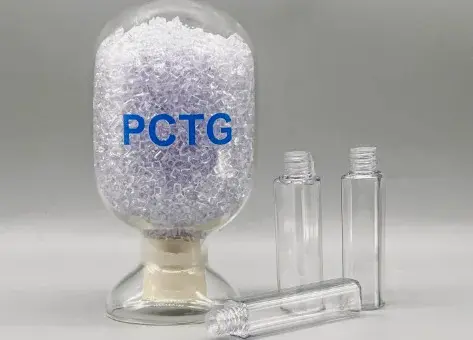
PCTG, short for polyethylene cyclohexanedimethylene terephthalate glycol, is a high-performance plastic known for its clarity, toughness, and chemical stability.
Unlike standard plastics, PCTG offers a balance between rigidity and flexibility, which is essential in components that hold e-liquid under pressure.
Vape tanks, pods, and internal reservoirs experience frequent temperature changes and mechanical stress during daily use.
Materials that cannot adapt tend to crack, warp, or lose their seal integrity.
What makes PCTG especially useful is its resistance to stress whitening and microfractures.
These tiny fractures are often invisible to the naked eye but can become leak pathways over time.
Manufacturers choose PCTG because it maintains its structure even after repeated refills, drops, and thermal cycles.
This structural stability plays a foundational role in keeping e-liquid exactly where it belongs.
Key advantages of PCTG include:
- High impact resistance without brittleness
- Strong chemical compatibility with common e-liquid ingredients
- Dimensional stability under heat and pressure
The Relationship Between Material Flexibility and Leak Prevention
Leak resistance is not just about being hard or thick. In fact, overly rigid materials often perform worse in real-world conditions.
Vape devices rely on tight tolerances between components like tanks, seals, and mouthpieces.
PCTG offers controlled flexibility, allowing parts to slightly deform under pressure and then return to their original shape.
This flexibility helps maintain a consistent seal even when the device experiences internal pressure changes, such as during altitude shifts or temperature fluctuations.
Materials that lack this adaptability may separate microscopically from seals, creating gaps where e-liquid can escape.
Important material fact: PCTG has a higher elongation at break compared to many common plastics, meaning it can absorb stress without cracking or permanently deforming.
This property is particularly important in disposable and compact devices where components are tightly packed. A small loss of seal integrity in these systems can quickly lead to visible leaks.
Why PCTG Matters in All-in-One Disposable Vape Designs
In compact formats like the modern all-in-one disposable vape, material choice becomes even more critical. These devices integrate the tank, coil, and mouthpiece into a single sealed unit.
There is no opportunity for users to tighten parts or replace seals if something goes wrong. Everything depends on the material performing flawlessly from the factory to the final puff.
PCTG excels in these designs because it bonds well with other components during manufacturing.
This ensures a tight, uniform structure that resists separation over time. Additionally, its clarity allows manufacturers to visually inspect fill levels and detect defects during quality control, reducing the risk of faulty units reaching users.
Because disposable devices are often carried in pockets or bags, they are exposed to constant movement and pressure.
PCTG’s impact resistance helps prevent hairline cracks that could otherwise form from everyday handling.
Chemical Resistance and Its Role in Long-Term Leak Control
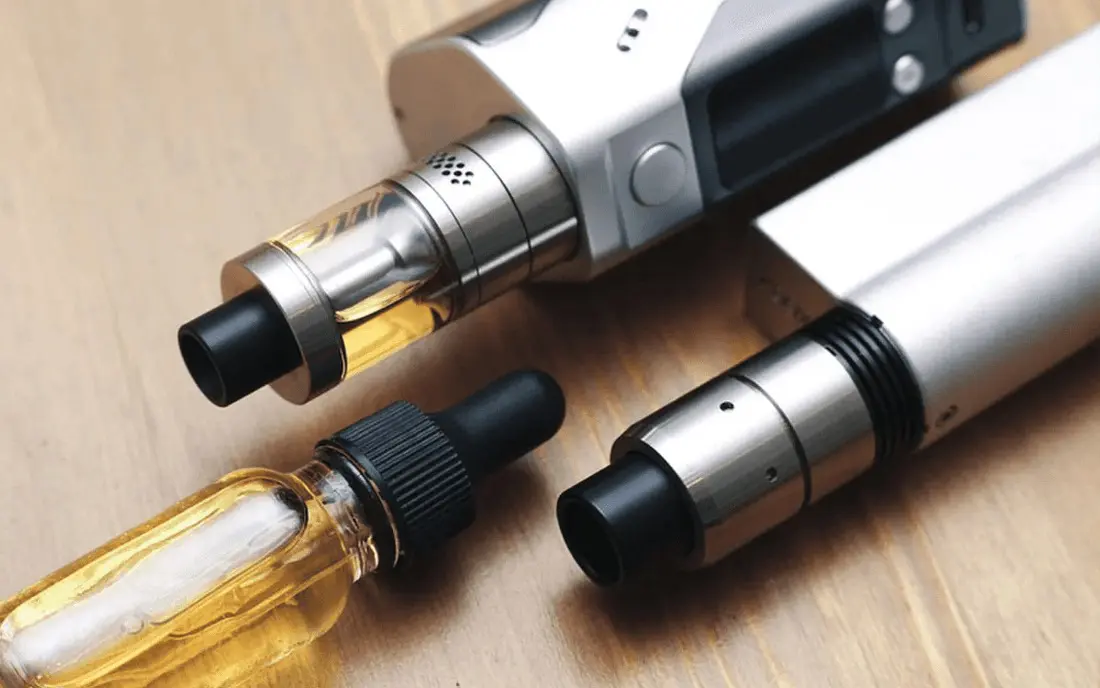
E-liquids are complex mixtures that can include nicotine salts, flavor compounds, and acids.
Some plastics react poorly with these substances, gradually weakening or becoming brittle. When that happens, leak resistance deteriorates silently until failure becomes obvious.
PCTG stands out for its strong chemical resistance. It does not easily absorb or react with e-liquid components, which means it retains its original strength over time.
This resistance is especially important for flavored e-liquids, some of which are known to degrade lower-quality plastics.
Below is a simple comparison of material performance in common vape conditions:
| Material Type | Chemical Resistance | Crack Risk Over Time | Seal Stability |
| Standard PET | Moderate | Medium | Inconsistent |
| Polycarbonate | Low to Moderate | High | Variable |
| PCTG | High | Low | Consistent |
This stability directly translates into fewer leaks during extended use.
Manufacturing Precision and How PCTG Supports Tight Tolerances
Leak resistance is not only about what happens after production. It also depends heavily on how precisely components are made.
PCTG flows evenly during injection molding, allowing manufacturers to create parts with very tight tolerances. This precision ensures that seals align correctly and that mating surfaces fit as intended.
When tolerances are inconsistent, even the best seals can fail. Gaps as small as a fraction of a millimeter can allow e-liquid to escape under pressure.
PCTG’s predictable molding behavior reduces these risks and improves batch-to-batch consistency.
Manufacturing benefits of PCTG include:
- Smooth surface finish for better seal contact
- Minimal shrinkage after cooling
- Reliable replication of complex shapes
These characteristics help manufacturers build devices that maintain their integrity from assembly through everyday use.
Thermal Stability and Its Impact on Internal Pressure
Vape devices generate heat during operation, especially near the coil. This heat causes e-liquid to expand and creates internal pressure within the tank.
Materials that cannot tolerate these temperature changes may warp or lose their shape, weakening seals and causing leaks.
PCTG offers strong thermal stability within the temperature range typical of vape devices. It does not soften excessively or become brittle under normal operating conditions.
This stability allows the tank to maintain its dimensions even as internal temperatures fluctuate.
Did you know? Many leak complaints occur after extended vaping sessions, when repeated heating cycles stress the tank material rather than the seals themselves.
By maintaining its form, PCTG helps manage internal pressure more evenly, reducing the likelihood of pressure-driven leaks.
User Handling, Drops, and Real-World Durability
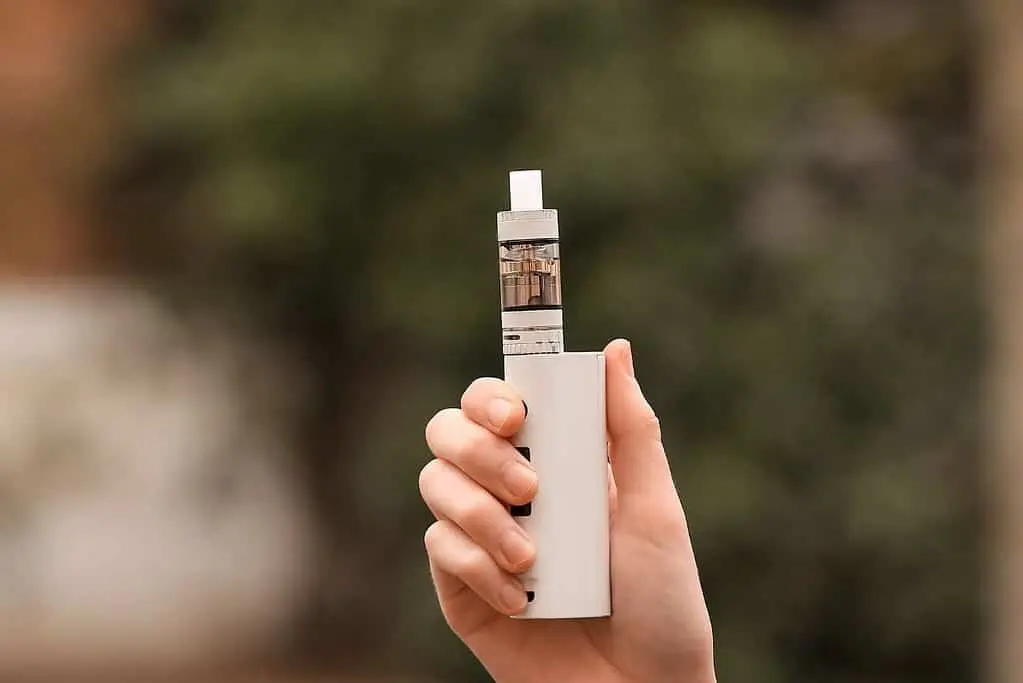
Real-world use is rarely gentle. Devices get dropped, squeezed, and stored in unpredictable environments.
Each of these factors introduces mechanical stress that can compromise leak resistance. PCTG’s impact resistance plays a crucial role here.
Unlike brittle plastics that crack on impact, PCTG absorbs shock and disperses force across the material.
This prevents localized damage that could later develop into leak points. Even when the exterior appears undamaged, internal cracks can cause slow leaks over time.
This durability is particularly important for users who rely on their devices throughout the day. A material that survives daily wear without degrading helps maintain consistent performance and user trust.
Why PCTG Has Become a Preferred Material for Leak-Resistant Vapes
As vaping technology has evolved, expectations for reliability have increased. Users now expect devices that do not leak, even after weeks of use.
PCTG has emerged as a material that supports this expectation by addressing multiple leak-related factors at once.
It offers structural stability, chemical resistance, thermal tolerance, and manufacturing precision in one package.
Rather than relying on thicker walls or excessive sealing compounds, manufacturers can design cleaner, more efficient devices that naturally resist leaks.
This shift toward smarter material choices reflects a broader trend in the industry. Instead of fixing leaks after they happen, designers are preventing them at the material level.
Final Thoughts
Leak resistance is not a single feature. It is the result of many small decisions working together, and material choice is one of the most important.
PCTG has proven itself as a reliable solution for modern vape devices by maintaining structural integrity under stress, resisting chemical degradation, and supporting precise manufacturing.
For users, this means fewer messes, more consistent performance, and a better overall experience.
For manufacturers, it means fewer defects and stronger product reputations. As vaping continues to evolve, materials like PCTG will likely play an even larger role in shaping devices that are not only functional, but dependable over time.
When leaks are minimized at the source, everyone benefits.